Traditional Karate
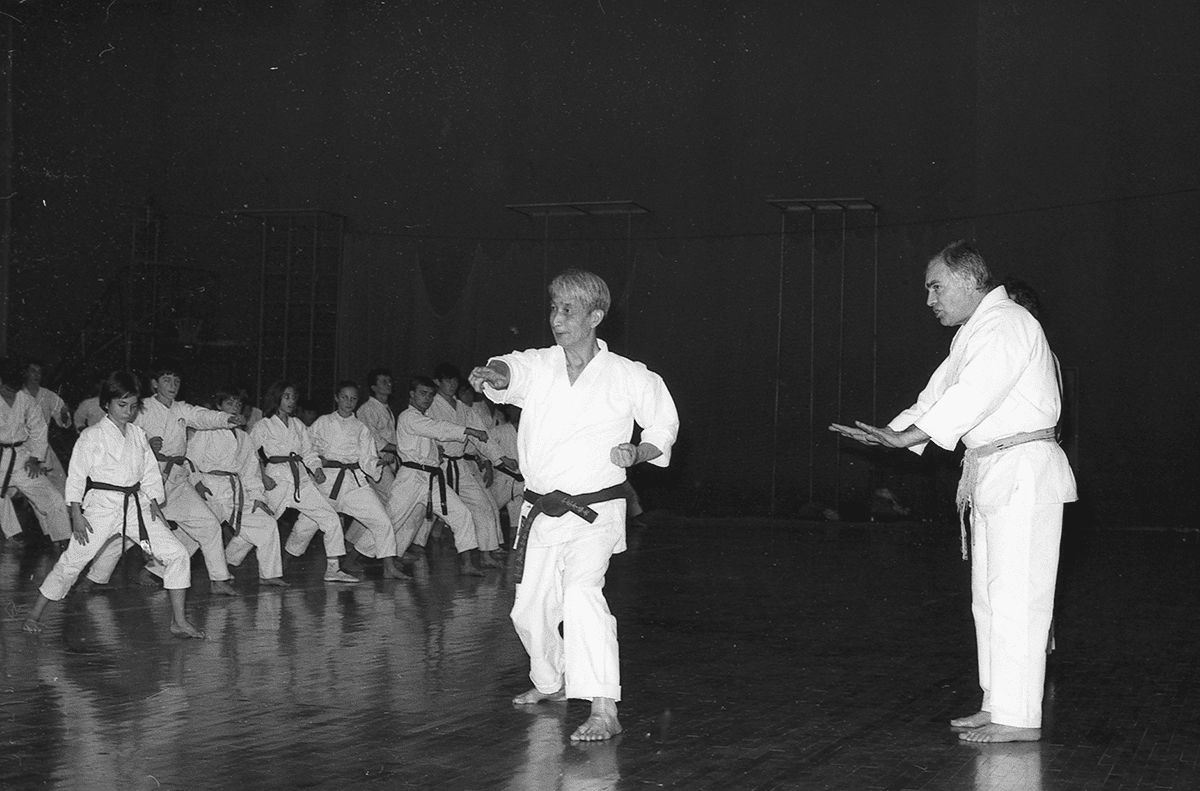
Traditional Karate is a martial art based on the original principles of karate-do as developed and taught by Hidetaka Nishiyama.
Unlike modern sport-oriented systems, Traditional Karate is not focused only on winning competitions. It is a complete method of physical, mental and moral development built on the principles of Budo.
Traditional Karate teaches that every technique must have true meaning, correct form and practical effectiveness. Training is based on the harmonious connection of body, mind and spirit.
The practice of Traditional Karate develops:
• strong and correct fundamentals
• balance, posture and body control
• timing, distance and precision
• discipline, concentration and self-confidence
• respect for others and responsibility toward oneself
Traditional Karate is built upon three essential areas of practice:
• Kihon – fundamental techniques and body mechanics
• Kata – formal exercises expressing the principles of combat
• Kumite – controlled application of techniques in partner practice and competition
In the traditional approach, these three elements are inseparable. Each supports and strengthens the others.
Traditional Karate also follows the principles of:
• maximum efficiency with minimum effort
• correct use of the whole body in every movement
• control and responsibility in the use of technique
• continuous self-improvement through training
The technical system developed by Nishiyama Sensei combines traditional Japanese karate with modern understanding of biomechanics, movement and human performance. This creates a style of training that is both deeply traditional and technically precise.
For ETKU, Traditional Karate is more than a sport.
It is a lifelong path that teaches perseverance, humility, respect and the pursuit of excellence both inside and outside the dojo.